
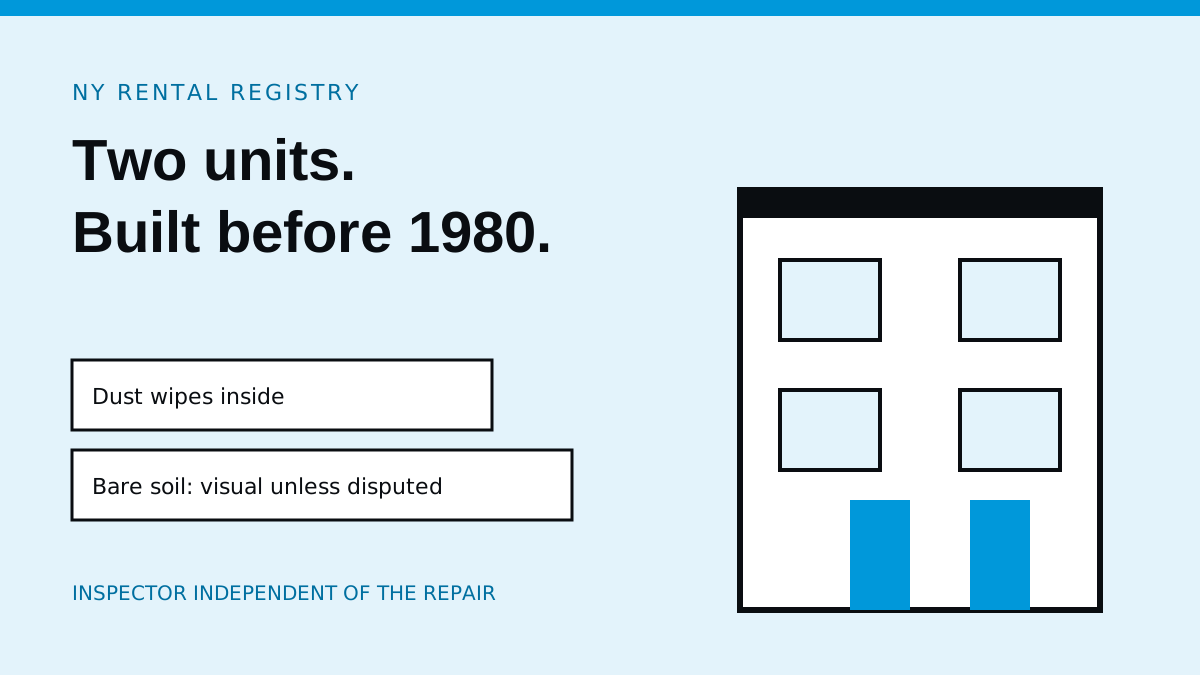
New York’s Lead Rental Registry is a filing and an inspection, not a paint color. If the building is covered, the inspection has to be done by someone who is not the contractor fixing the hazards.
Who is covered
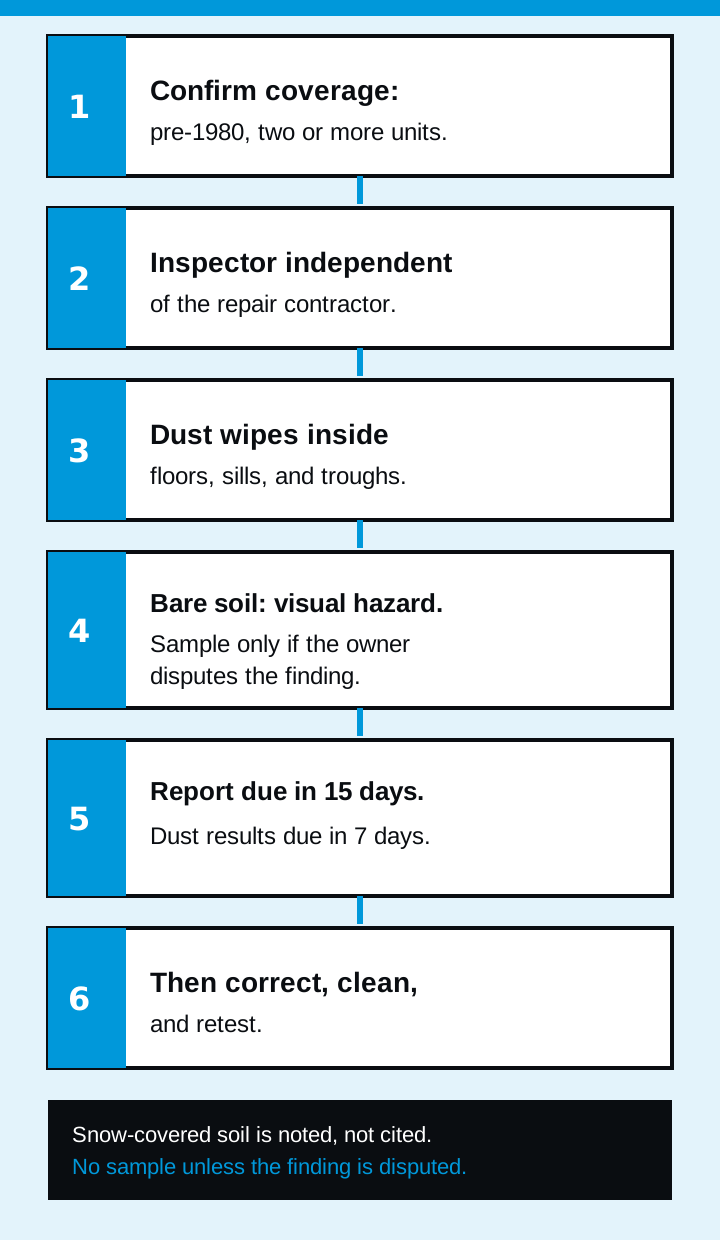
The registry covers rental buildings built before 1980 with two or more units, in designated communities of concern. Communities we regularly hear about in this region are Albany (including ZIP codes 12202, 12206, 12208, 12209, and 12210, per Albany County), Schenectady, Troy, Amsterdam, and Gloversville. The full list of 25 communities is on the NYS DOH property owners page. Covered units are inspected at least every three years.
New York City is excluded. An owner-occupied unit can be exempted from inspection (not registration) with a signed attestation (DOH-5842), renewed at least every three years; the other units still need inspection.
Existing owners had to register by May 1, 2026. New owners must register within 30 days of purchase; registrations don’t transfer. Inspection due dates are set by DOH or the local health department, and certifications are due by October 1 of the year due.
What to have ready
Have the year built, the number of units, and the town before you book. Arrange access to every unit on the inspection, including basements and common halls the protocol includes. Tell us if a repair contractor is already on site. The inspector has to be independent of whoever does the remediation.
Deal with bare soil. Bare soil tenants can reach is cited as a visual lead soil hazard; the fix is covering it with a durable material acceptable to DOH or the local health department. If you believe an area isn’t a hazard, an EPA-certified Lead Risk Assessor can sample it; results within EPA residential soil-lead limits from an approved lab relieve you of covering it. Before the final inspection, clean up visible dust/debris in outdoor living areas and remove paint chips on the ground.
What the inspection includes
Dust wipe samples from floors (not open porches) and, where practicable, interior windowsills and/or window troughs, analyzed by an approved laboratory (NYS DOH Wadsworth Center or an NYS ELAP-certified lab). If paint hazards are found, wipes are taken after repairs and cleaning.
A visual check of soil. Bare soil tenants can reach is cited as a visual lead soil hazard. No soil samples are taken unless the owner disputes the finding. Soil under snow isn’t cited; the condition is noted on the certificate.
DOH-5844 (Part A) covers exterior, common areas and the visual soil check, one per property, and records the EPA Lead Risk Assessor ID; DOH-5843 (Part B) covers each unit’s interior. Photos and a floor plan of deteriorated paint are attached.
If it does not pass
The owner does not receive a Lead Safety Certificate.
Dust wipe results above EPA’s dust-lead action levels on floors, windowsills or window troughs.
Bare soil that tenants can reach (cited visually; no soil test needed).
The owner must submit an inspection report with unsatisfactory findings to DOH or the local health department within 15 days of the inspection, and unsatisfactory dust wipe results within 7 days of receiving them.
Correct the hazards. After a notice and demand, the repair method must be approved in advance by DOH or the local health department; work follows lead-safe practices (6-mil plastic, daily wet cleanup) by people with required certifications or training. Recurring hazards require a certified Lead Risk Assessor workplan, prioritizing friction surfaces.
Clean the unit at least two hours after work ends: HEPA-vacuum all surfaces including sills, wet-mop with a heavy-duty household cleaner, HEPA-vacuum again.
Retest. Clearance dust wipes are taken after repairs and cleaning. A failing wipe means re-clean and resample; after more than one failed round, rubbing or binding painted friction surfaces (including windows) are cited and must be fixed first. When inspection and wipes are satisfactory, the owner submits the lead safety certification.
The registry pages are the DOH registry page and Albany County’s notes.
Renovation, repair, and painting
RRP covers pre-1978 target housing; minor repair disturbing 6 sq ft or less per room inside or 20 sq ft or less outside is exempt, except window replacement or prohibited practices. The registry covers pre-1980 buildings, so 1978-1979 buildings are covered by the registry but not RRP.
Who may inspect
The local health department, its designee, or an EPA-certified Lead Risk Assessor who is independent of the remediation, under 10 NYCRR 67-5.5. Inspections are performed by EPA-certified lead-based paint risk assessors on our team. Registry inspections are independent of the repair work.
Other lead work, including inspections that are not registry inspections, is on the lead page.
We’ll tell you when to expect the report when you book.
Schedule rental lead inspections
Call 518.832.9213 or email support [at] cvenv [dot] com. Sample drop-off at our Queensbury office.