
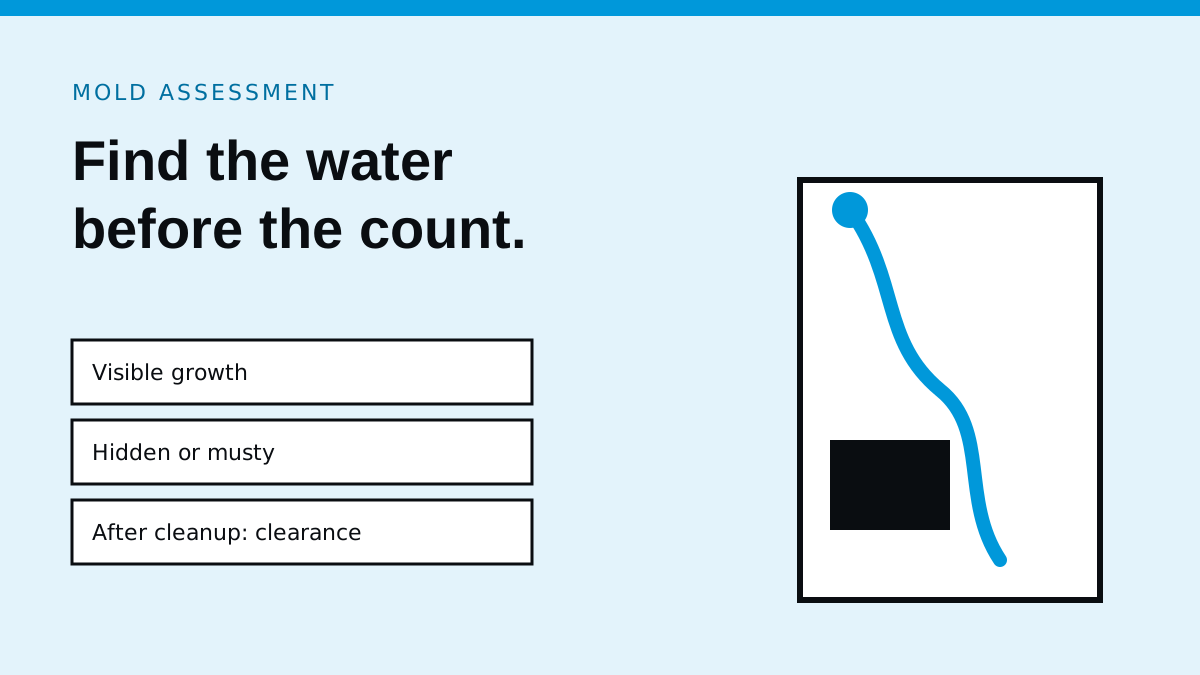
A lab number is useful when you cannot see the answer. It is a weak reason to skip the leak, the wet material, or a written scope.
When testing earns its place
Call for an assessment when a room smells musty, growth is visible, a leak or flood has wetted materials, you are buying a house with a basement, crawl space, water stains, or a past flood, a tenant has complained, or a remediation contractor is ready to start and the scope is not in writing yet. A musty odor with no visible growth can also be an odor investigation or an indoor air quality investigation. Those are separate from a mold assessment.
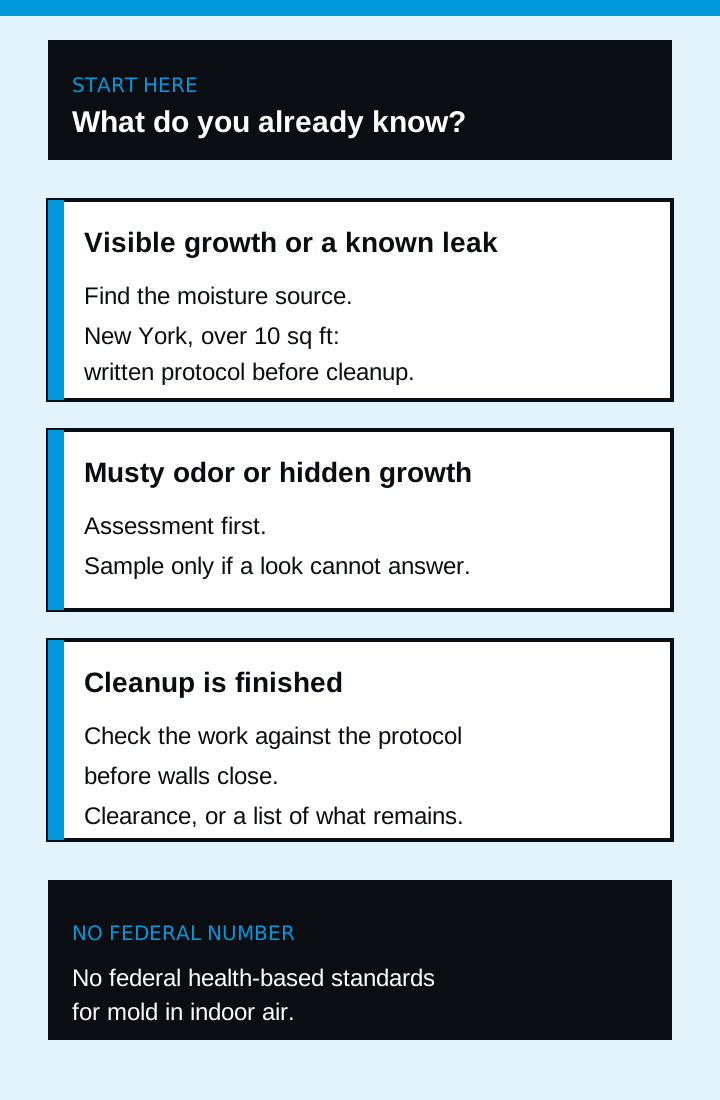
Air or surface samples help when growth is suspected but hidden, or when a clearance protocol calls for them. Visible growth mainly needs the moisture source addressed, and a written scope if the project is large enough for New York’s rules.
What New York requires before cleanup
In New York, mold projects larger than 10 square feet start with a written mold remediation protocol from a licensed assessor. It spells out the work areas, what gets removed or cleaned, and the clearance criteria. That protocol protects the owner and the contractor, because the scope is written before demolition starts.
Anyone performing mold assessment on a project over 10 square feet in New York needs a NYS Department of Labor mold assessor license. An owner working on the owner’s own property has a limited exception. The Department of Labor describes the program on its Mold Program page.
New York bars the same person or company from both assessing and remediating the same project. The assessor writes the assessment and the protocol. The contractor provides the work plan.
After the cleanup
After remediation, a licensed assessor checks the finished work against the protocol before walls close up or people move back in. New York requires a licensed assessor to perform that post-remediation assessment and issue a written clearance or a list of what still needs work. The same separation applies here: New York bars the same person or company from both assessing and remediating the same project.
ClearVU writes the mold remediation protocol and performs the post-remediation clearance. A separate contractor does the cleanup.
What a sample cannot tell you
Sampling is one line of evidence next to a visual inspection and moisture readings, and according to the CDC and EPA, there are no federal health-based standards for mold in indoor air. A number without the moisture source, and without the protocol, does not say the building is finished.
The short version: find the water, write the protocol when the project is large enough, and treat the lab report as support. There are no federal health-based standards to “pass.”
Vermont, and other materials
The licensing and protocol rules above are New York’s. In Vermont we still start with a visual inspection and moisture readings.
If the teardown will disturb building materials, NYS DOL requires an asbestos survey before work disturbs building materials, regardless of construction date. Start with an asbestos survey. In a pre-1978 home, see lead testing as well.
We’ll tell you when to expect the report when you book.
Book a mold assessment
Call 518.832.9213 or email support [at] cvenv [dot] com. Sample drop-off at our Queensbury office.