
A blower door depressurizes or pressurizes the house and measures how much air leaks through the shell. Builders use that number, and a duct-leakage number when the code asks for one, for the permit.
Which code edition applies
The 2025 ECCCNYS applies to building permit applications submitted on or after December 31, 2025. Projects with a substantially complete application filed before that date may stay on the 2020 code. The permit application date, not the test date, sets which edition applies.
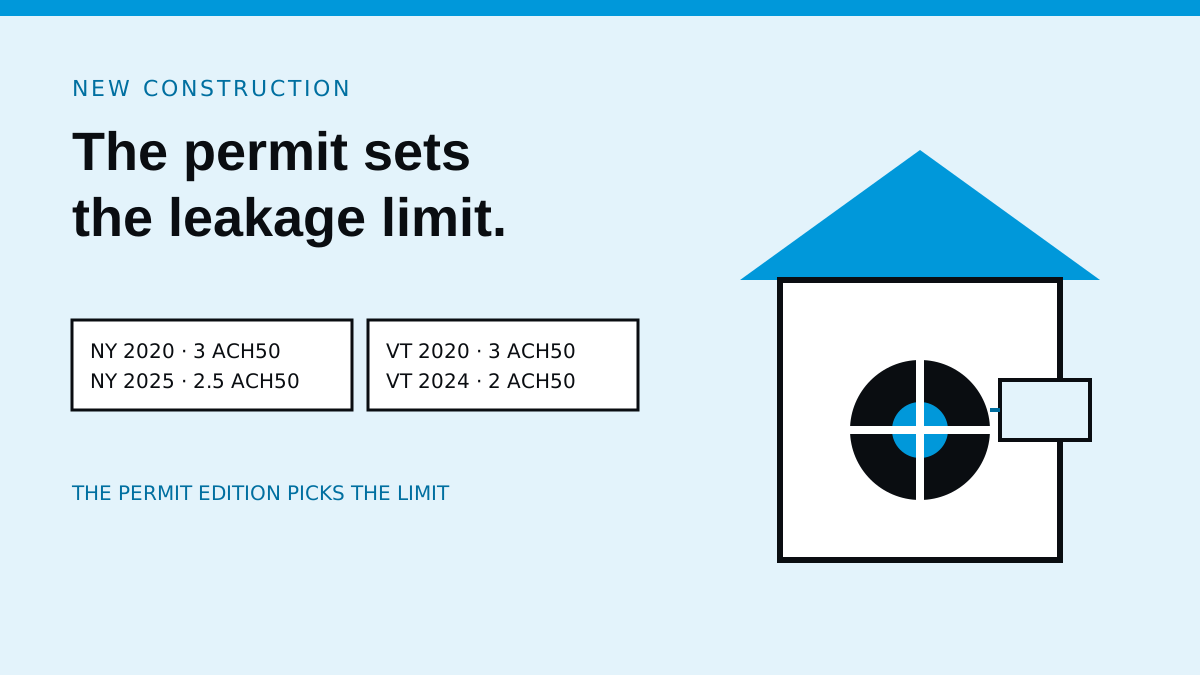
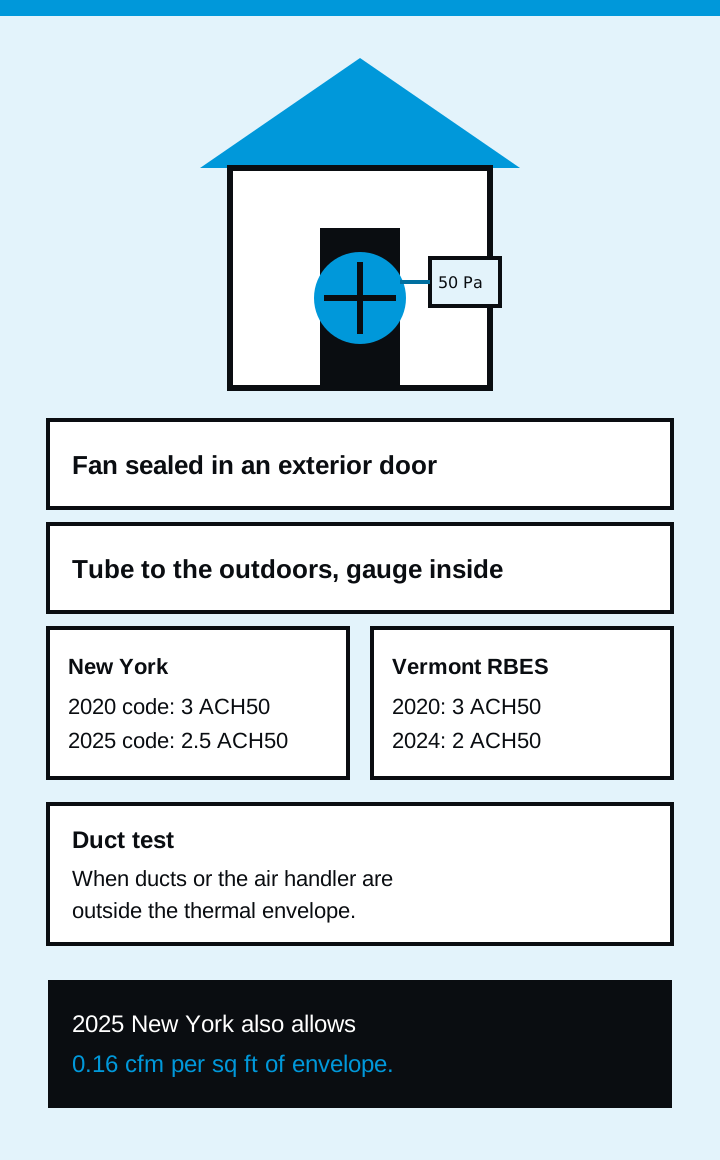
Under the 2020 ECCCNYS, the limit is 3 air changes per hour at 50 pascals (3 ACH50). Under the 2025 ECCCNYS, the limit is 2.5 ACH50, or 0.16 cfm per square foot of thermal envelope area at 50 pascals.
Which limit is on the permit?
It’s 3 ACH50 under the 2020 code and 2.5 ACH50 (or 0.16 cfm/ft² of envelope) under the 2025 code. The edition on your permit decides which one applies.
Vermont uses its own Residential Building Energy Standards (RBES). The 2020 RBES limit is 3 ACH50 and the 2024 RBES limit is 2 ACH50, and builders can currently use either pathway. Ratings, when the project uses that path, are covered on the energy code compliance page.
How the fan is set up
The test standard and the 2020 code set the test conditions. Typically:
- The fan is sealed in an exterior door, with a tube to the outdoors and a gauge reading the pressure.
- Windows and other exterior doors are closed. Interior doors are open so the house is one volume.
- Dampers, including exhaust, intake, makeup air, backdraft and flue dampers, closed but not sealed beyond their intended weatherstripping or other infiltration control measures.
- Continuous ventilation and heat-recovery ventilator openings closed and sealed.
Schedule the test after the air barrier is complete and before finishes hide leaks you may still want to fix. Builders usually book the final test when the house is ready for the code inspection. Blower door and duct leakage testing is performed by BPI-certified professionals on our team.
Ducts
The code requires a duct leakage test when any ducts or air handlers are outside the building’s thermal envelope. The report lists the duct number separately from the shell number.
The report
Expect a signed written report for the code official. Under the 2020 code it lists the tester’s name and business, the address, the conditioned floor area, the leakage at 50 pascals, the test date and the tester’s certification of accuracy. The 2025 code requires a signed report but doesn’t list its contents.
The same visit can be paired with an asbestos survey when the project is a renovation or a demolition as well as new work. The day-to-day testing page is blower door and duct leakage testing.
We’ll tell you when to expect the report when you book.
Schedule a blower door test
Call 518.832.9213 or email support [at] cvenv [dot] com. Sample drop-off at our Queensbury office.